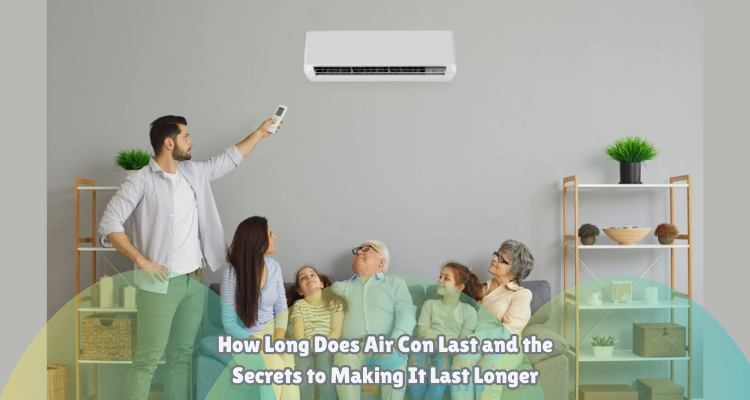
Air conditioning is no longer a luxury in Australia—it’s a necessity. With long, hot summers in Brisbane and increasingly intense heatwaves in Sydney, homeowners rely heavily on their air conditioning systems to stay comfortable year-round.
That’s why one of the most common questions Australians ask is: how long does air con last?
The short answer is 10 to 15 years. The long answer—and the one that really matters—is that your air conditioner’s lifespan depends on how you use it, how you maintain it, and how well it’s suited to Australian conditions.
How Long Does Air Con Last in Typical Australian Homes
In most Australian households, air conditioners last between 10 and 15 years. However, this range varies significantly depending on location and care.
In Brisbane and Sydney, air con systems often experience:
- Longer operating seasons
- High humidity (especially in Brisbane)
- Salt air exposure near the coast (Sydney)
- Increased demand during heatwaves
These conditions place extra strain on systems, meaning lifespan can shorten without proper servicing.
Average Air Conditioner Lifespan by System Type
Different air conditioning systems are built for different workloads. Here’s how long each typically lasts in Australian homes:
| Air Conditioning Type | Average Lifespan | Notes |
| Split system air con | 10–15 years | Most common in Australian homes |
| Ducted air conditioning | 12–18 years | Longest lifespan with regular servicing |
| Reverse cycle air con | 10–15 years | Used year-round for heating & cooling |
| Window air conditioners | 8–10 years | Shorter life due to smaller components |
| Portable air conditioners | 6–8 years | Limited durability |
Split system air con lifespan depends heavily on filter cleaning and professional servicing, while ducted air conditioning lifespan is strongly affected by zoning, duct condition, and airflow balance.
How Long Does Air Con Last in Brisbane vs Sydney
Brisbane: High Heat and Humidity
Brisbane’s subtropical climate means:
- Air conditioners run more frequently
- High humidity stresses coils and drainage systems
- Mould growth is more common
Without regular servicing, air con lifespan in Brisbane homes often falls closer to 10–12 years.
With good maintenance, however, many systems still reach 15 years or more.
Sydney: Coastal Air and Seasonal Demand
Sydney air conditioners face:
- Salt exposure in coastal suburbs
- Moderate but consistent summer usage
- Occasional extreme heat events
With proper cleaning and corrosion protection, air conditioner lifespan in Sydney climate can comfortably reach the upper end of the lifespan range.
Key Factors That Affect How Long Air Con Lasts
1. Maintenance and Servicing Frequency
If there’s one factor that matters more than any other, it’s maintenance.
Regular servicing:
- Reduces wear on internal components
- Improves energy efficiency
- Prevents small faults from becoming major failures
This directly affects how maintenance affects air con lifespan.
Expert tip: Annual servicing can add 3–5 extra years to your system’s life.
2. Usage Patterns and Thermostat Habits
How you use your air con matters just as much as how often you service it.
Common habits that shorten lifespan:
- Running the system all day during heatwaves
- Setting temperatures too low (below 22°C)
- Rapid on/off cycling
These increase strain on compressors and electrical components.
3. Installation Quality
Poor installation is one of the most overlooked causes of early failure.
Incorrect installation can lead to:
- Refrigerant imbalance
- Poor airflow
- Increased energy consumption
Many systems that fail early were never installed correctly in the first place.
4. Climate and Environmental Conditions
Australian summers are harsh on air conditioners.
Factors that shorten lifespan include:
- Extreme heat
- High humidity
- Dust and debris
- Salt corrosion in coastal areas
This explains what shortens air conditioner lifespan in Brisbane and Sydney more than in cooler regions.
How Long Should an Air Conditioner Last in Australia
Here’s a realistic breakdown:
- Well-maintained systems: 15–18 years
- Average-maintenance systems: 10–15 years
- Poorly maintained systems: 7–10 years
Your habits determine which category your system falls into.
Warning Signs Your Air Con Is Nearing the End of Its Life
As air conditioners age, they don’t usually fail suddenly—they decline gradually.
Common Signs Include
- Rising electricity bills
- Reduced cooling or uneven airflow
- Frequent breakdowns
- Loud or unusual noises
- Musty or burning smells
These are classic inefficient air conditioner symptoms and often indicate it’s time to plan for replacement.
Repair vs Replacement: Is It Worth Fixing an Old Air Con
Homeowners often face the air con repair vs replacement dilemma.
Repairs Make Sense When
- The unit is under 10 years old
- Issues are minor or infrequent
- Energy efficiency is still reasonable
Replacement Is Smarter When
- The system is over 12–15 years old
- Repairs are frequent or expensive
- Power bills keep rising
- Cooling performance is inconsistent
A general rule:
If a repair costs more than 30–40% of replacement cost, upgrading is usually the better long-term investment.
Energy Efficiency and Older Air Conditioners
As air conditioners age:
- Components wear out
- Efficiency drops
- Power consumption increases
This is why many Australians notice rising electricity bills as systems approach the end of their lifespan.
Modern systems are:
- More energy efficient
- Quieter
- Better suited to Australian climate conditions
The Secrets to Making Your Air Con Last Longer
These are the proven strategies most homeowners overlook:
1. Clean Filters Regularly
Dirty filters restrict airflow and strain the system. Clean them every 1–3 months, especially during summer.
2. Schedule Annual Professional Servicing
Professional servicing checks:
- Refrigerant levels
- Electrical connections
- Drainage systems
- Coil condition
This is one of the most effective ways to extend air con lifespan.
3. Use Smart Temperature Settings
Set cooling between 23–25°C for comfort and efficiency.
4. Protect the Outdoor Unit
Keep it clear of:
- Leaves
- Dust
- Debris
Good airflow improves performance and longevity.
5. Fix Small Problems Early
Unusual noises or weak airflow should never be ignored. Early repairs prevent expensive failures later.
How Often Should You Service an Air Conditioner in Australia
- Once a year for average household use
- Twice a year for heavy-use systems
- More often in Brisbane’s humid conditions
This plays a major role in determining how long air con lasts.
Frequently Asked Questions About Lifespan of Air Conditioner
1. How long does air con last with regular servicing?
With consistent servicing, many systems last 15 years or more.
2. Does hot weather reduce air con lifespan?
Yes. Continuous operation during heatwaves increases wear on compressors and motors.
4. How long do air conditioners last in Brisbane?
Typically 10–15 years, depending on maintenance and usage.
5. How long do air conditioners last in Sydney?
Often 12–15+ years, especially with proper corrosion protection and servicing.
6. When should I replace my air conditioner?
When repairs become frequent, efficiency drops, or the system exceeds 15 years.
Final Words
So, how long does air con last?
In Brisbane and Sydney homes, most air conditioners last 10–15 years, but the real difference comes down to maintenance, usage habits, and early care.
By understanding how climate affects your system and following proven maintenance strategies, you can:
Extend system lifespan
- Reduce power bills
- Avoid unexpected breakdowns
- Improve year-round comfort
A well-maintained air conditioner isn’t just more reliable—it’s far more cost-effective in the long run.