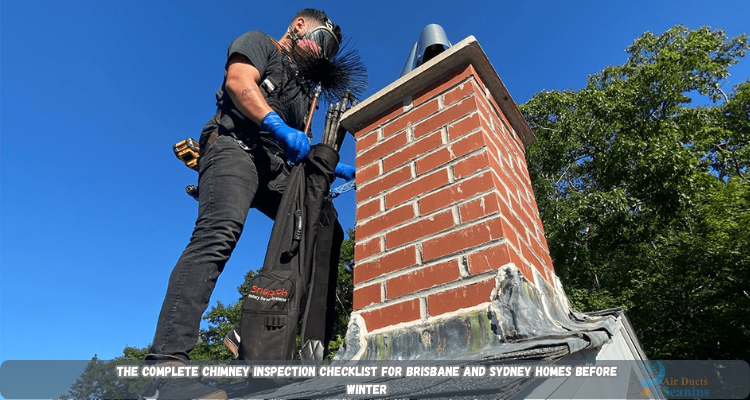
As winter approaches in Brisbane and Sydney, preparing your fireplace goes beyond simply cleaning the hearth. Chimneys are essential for safely venting smoke and gases, but without proper care, they can become hazards. Smoke problems, reduced heating efficiency, and risks such as chimney fires or carbon monoxide exposure are all preventable with proper inspection.
Following a detailed chimney inspection checklist ensures your fireplace is safe, functional, and ready for the colder months. Combining hands-on homeowner checks with professional inspections is the best approach, helping you catch potential issues before they become costly or dangerous.
Why Pre-Winter Chimney Inspections Matter in Brisbane and Sydney
Homeowners in both cities face unique challenges due to local climate and urban environments. Brisbane’s subtropical weather brings occasional heavy rains, while Sydney’s coastal and suburban areas expose chimneys to wind, leaves, and bird nesting.
Proper inspections help identify:
- Creosote buildup inside the flue
- Debris and blockages from leaves or nests
- Damaged liners or flue tiles
- Stuck or faulty dampers
- Missing or damaged chimney caps
Routine inspections not only improve safety but also maximize heating efficiency and extend the lifespan of your chimney system.
When to Inspect Your Chimney
The best time for a chimney inspection in Brisbane and Sydney is early autumn, giving you time to address any issues before winter. If your fireplace was heavily used last season, an inspection is even more critical.
Certain homes may require more frequent checks:
- Coastal or riverside properties: Exposure to salt air or high moisture can accelerate masonry and metal corrosion.
- Tree-lined suburbs: Leaves, twigs, and bird nests accumulate faster, increasing blockages.
- Older homes: Liners, bricks, and mortar may degrade over time, requiring professional assessment.
Practical Chimney Inspection Checklist
Here’s a detailed checklist homeowners in Brisbane and Sydney can follow, incorporating practical tips from professional chimney sweeps:
1. Check the Exterior Chimney Structure
- Examine bricks and mortar for cracks, erosion, or leaning.
- Even small cracks can allow water infiltration, which may cause long-term damage.
- Structural problems should be evaluated by a licensed professional.
2. Inspect the Chimney Cap
- Ensure the chimney cap is secure and free of rust or damage.
- Caps prevent rain, debris, and pests from entering the flue.
- Spark-arrestor caps also prevent embers from escaping, reducing fire risks.
3. Examine the Flue and Liner
- Shine a flashlight into the flue to check for creosote buildup or debris.
- Thick creosote layers are highly flammable and need professional cleaning.
- Inspect the liner for cracks or deterioration, as this affects both safety and efficiency.
4. Check the Damper
- Open and close the damper to ensure smooth operation.
- A stuck damper reduces airflow, causing smoke to enter your home.
- Professional servicing may involve lubricating or replacing the damper for optimal performance.
5. Assess Soot and Debris
- Remove loose ash but leave a thin protective layer on the firebox base.
- Excessive soot may indicate poor combustion or airflow.
- Avoid burning treated wood, cardboard, or plastics, which can damage the flue and release toxins.
6. Inspect Flashing and Roof Junctions
- Check flashing where the chimney meets the roof for rust, gaps, or leaks.
- Water infiltration can compromise bricks, mortar, and structural integrity.
- Minor leaks can be sealed; significant damage requires a roofing or chimney professional.
7. Look for Signs of Water Damage
- Check for damp patches, water stains, or mould around the fireplace or chimney walls.
- Persistent moisture can weaken bricks and mortar, leading to long-term structural issues.
- Professional repair and water-repellent sealants can help protect your chimney.
Common Chimney Problems in Brisbane and Sydney Homes
1. Creosote Buildup
- Problem: Sticky, flammable residue accumulates in the flue after wood fires.
- Solution: Annual professional cleaning; use dry, seasoned firewood to reduce future buildup.
2. Blockages from Debris
- Problem: Leaves, twigs, or bird nests obstruct airflow.
- Solution: Remove blockages professionally and install a chimney cap to prevent recurrence.
3. Damaged Liners
- Problem: Cracks or deterioration allow heat to escape and reduce safety.
- Solution: Replace liners with durable clay, ceramic, or stainless steel materials.
4. Chimney Fires
- Problem: Often caused by excessive creosote or debris ignition.
- Solution: Routine inspections, professional cleaning, spark arrestor caps, and proper firewood use.
DIY Maintenance Tips for Homeowners
While professional inspections are essential, homeowners can maintain chimney health with simple practices:
- Burn dry, seasoned firewood to reduce creosote.
- Clean out ash regularly, leaving a thin protective layer.
- Ensure the damper is open during fires to improve airflow.
- Check chimney caps for rust or damage and replace if needed.
- Never burn treated wood, plastics, or cardboard.
Professional Inspections for Expertise and Safety
Chimney specialists in Brisbane and Sydney bring advanced tools and expertise:
- CCTV cameras to detect hidden cracks, blockages, or gaps
- High-powered rotary brushes or power sweeping for thorough cleaning
- Full assessment of liners, dampers, and chimney caps
Professional inspections uncover problems invisible to homeowners, ensuring safety, efficiency, and peace of mind during winter.
How Maintenance Improves Heating Efficiency
A clean chimney allows smoke to exit freely, producing hotter, more efficient fires. Blockages or buildup restrict airflow, causing smoke problems and requiring more firewood.
Following a detailed chimney inspection checklist improves:
- Heating efficiency
- Fireplace safety
- Smoke control
- Longevity of chimney components
Safety Risks of Neglecting Chimney Inspections
Ignoring maintenance can result in:
- Chimney fires from creosote ignition
- Smoke damage inside the home
- Carbon monoxide exposure due to poor ventilation
- Structural damage to the chimney and surrounding areas
Regular inspections and cleaning drastically reduce these risks.
Frequently Asked Questions About Chimney Inspection
1. How often should chimneys in Brisbane and Sydney be inspected?
At least once per year, ideally before winter. Homes in coastal or tree-lined areas may need additional checks.
2. Can I inspect my chimney myself?
Basic visual checks are possible, but hidden issues require professional tools and expertise.
3. What are the risks of skipping chimney inspections?
Chimney fires, smoke damage, carbon monoxide poisoning, and structural problems.
4. How can I reduce creosote buildup?
Burn dry, seasoned firewood, clean ash regularly, and schedule annual professional flue cleaning.
5. Is a chimney cap necessary?
Yes. Caps prevent debris, water, and pests from entering and may include spark arrestors for fire safety.
Final Words
For homeowners in Brisbane and Sydney, following a complete chimney inspection checklist before winter is essential for safety and comfort. Inspecting the structure, flue, damper, cap, and ventilation system ensures your fireplace is ready for colder months.
Combining homeowner inspections with professional servicing guarantees a warm, smoke-free, and safe winter. Taking these proactive steps now saves money, reduces hazards, and ensures your chimney performs efficiently.