
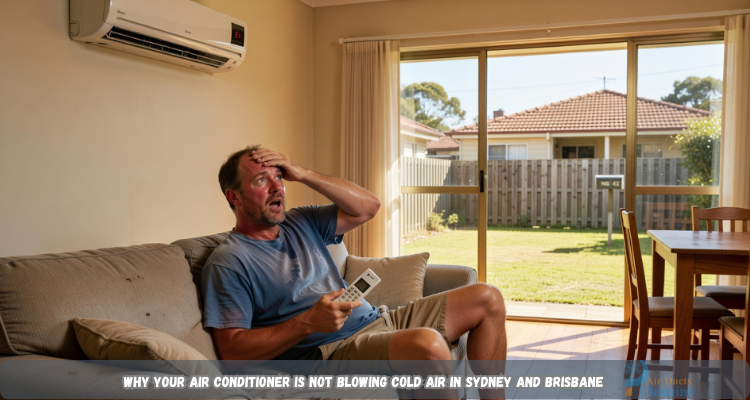
When the summer heat arrives in Sydney and Brisbane, air conditioning quickly becomes one of the most important systems in the home. With temperatures often rising above comfortable levels, homeowners rely heavily on their cooling systems to maintain a pleasant indoor environment.
But sometimes the air conditioner suddenly stops performing as expected. One of the most common problems homeowners experience is an air conditioner not blowing cold air. Instead of cool air, the system may blow warm or weak airflow, leaving the house uncomfortable during hot days.
This issue can occur for several reasons, ranging from simple maintenance problems to more technical faults within the system. The good news is that many cooling issues can be identified early and sometimes fixed with simple troubleshooting steps.
In this guide, we will explain the most common reasons an air conditioner is not blowing cold air, what you can check at home, and when it’s time to call a professional air conditioning technician.
Why Air Conditioners Stop Blowing Cold Air
Air conditioning systems are designed to remove heat from indoor air and release it outside through the condenser unit. When any part of this process is interrupted, the system may struggle to cool the home properly.
Homes in Sydney and Brisbane often experience long cooling seasons due to warm climates. Because air conditioners operate frequently, small maintenance problems can quickly affect performance if they are not addressed.
Common causes of aircon not blowing cold air include airflow restrictions, thermostat settings, refrigerant issues, or mechanical problems inside the system. Understanding these causes helps homeowners take the right action before the situation becomes worse.
1. Dirty Air Filters Blocking Airflow
One of the most common reasons for an air conditioner not blowing cold air is a dirty air filter. Filters are designed to capture dust, pollen, and airborne particles before they enter the system.
Over time, these filters become clogged with debris. When airflow is restricted, the air conditioner cannot circulate cool air effectively through the home.
In Sydney and Brisbane homes, dust accumulation can happen quickly, especially during summer when air conditioners run frequently.
How Dirty Filters Affect Cooling
When filters are blocked, the air conditioner must work harder to push air through the system. This can lead to weaker airflow and reduced cooling efficiency.
In some cases, clogged filters can even cause the evaporator coil to freeze, which stops the system from producing cold air altogether.
Simple Maintenance Tip
Cleaning or replacing the air filter regularly can significantly improve airflow and cooling performance. Most experts recommend checking filters every four to six weeks during peak summer months.
2. Incorrect Thermostat Settings
Another common cause of cooling issues is incorrect thermostat settings. Sometimes the problem is not with the air conditioner itself but with the way the system is controlled.
If the thermostat is set to “fan only” mode instead of cooling mode, the system will circulate air without lowering the temperature.
Temperature Settings Matter
In Sydney and Brisbane homes, setting the thermostat too low may also cause the system to run continuously without improving cooling efficiency.
A recommended temperature setting for efficient cooling is usually between 24 and 26 degrees Celsius. Maintaining a steady temperature helps the air conditioning system operate efficiently without unnecessary strain.
3. Refrigerant Problems in the Air Conditioning System
Refrigerant plays a crucial role in the cooling process. It absorbs heat from indoor air and releases it outside through the condenser unit.
If the refrigerant level becomes too low due to leaks or system issues, the air conditioner may stop producing cold air.
Signs of Refrigerant Issues
Homeowners may notice several symptoms if refrigerant levels are low:
- Warm air blowing from vents
- Ice forming on the indoor unit
- Longer cooling cycles
- Reduced cooling performance
Refrigerant issues should always be handled by a licensed technician because handling refrigerant requires specialised equipment and safety procedures.
4. Blocked or Dirty Outdoor Condenser Unit
The outdoor condenser unit is responsible for releasing heat that has been removed from indoor air. If airflow around the unit becomes restricted, the system cannot remove heat efficiently.
Homes in Sydney and Brisbane often have outdoor units located near gardens or outdoor areas. Leaves, dust, and debris can accumulate around the unit and reduce airflow.
Why Outdoor Unit Maintenance Is Important
When the condenser cannot release heat properly, the entire cooling process becomes less efficient. This may result in AC blowing warm air instead of cold air.
Keeping the outdoor unit clean and ensuring at least one metre of clear space around it can help maintain proper airflow.
5. Frozen Evaporator Coils
Evaporator coils inside the indoor unit absorb heat from the air. If airflow becomes restricted or refrigerant levels are incorrect, the coils may freeze.
Frozen coils prevent the system from absorbing heat, which stops the air conditioner from producing cold air.
Causes of Frozen Coils
Several issues can lead to coil freezing:
- Dirty air filters
- Blocked vents
- Low refrigerant levels
- Continuous operation during extreme heat
When ice forms inside the system, the air conditioner should be turned off to allow the coils to thaw before further inspection.
6. Airflow Problems in the Home
Proper airflow is essential for effective cooling. Even if the air conditioner is functioning correctly, blocked vents or closed doors can prevent cool air from circulating throughout the house.
Furniture placed in front of vents can also reduce airflow.
Improving Airflow at Home
Ensuring that all air vents remain open and unobstructed allows cool air to circulate freely. Ceiling fans can also help distribute cool air more evenly throughout the room.
Good airflow helps the air conditioner maintain consistent indoor temperatures.
7. Compressor Problems in the Air Conditioner
The compressor is often referred to as the heart of an air conditioning system. It circulates refrigerant between indoor and outdoor components and is responsible for maintaining the cooling cycle.
If the compressor becomes damaged or fails, the air conditioner may stop producing cold air entirely.
Signs of Compressor Issues
Possible signs include:
- Loud or unusual noises from the outdoor unit
- The system running but not cooling
- Frequent system shutdowns
Compressor repairs can be complex and usually require professional diagnosis.
Electrical Problems Affecting Cooling
Air conditioning systems rely on electrical components such as capacitors, relays, and circuit boards. If any of these components fail, the system may struggle to operate correctly.
Electrical problems can cause the compressor or fan motors to stop working, which affects cooling performance.
Because electrical repairs involve safety risks, they should always be handled by trained technicians.
Simple Things Homeowners Can Check First
Before calling a professional technician, homeowners in Sydney and Brisbane can perform a few basic checks.
Start by ensuring the thermostat is set to cooling mode and the temperature setting is appropriate. Next, inspect the air filter and clean it if necessary.
Check the outdoor unit for debris and ensure airflow around the system is not blocked. These simple steps can sometimes restore normal cooling performance without requiring repairs.
When to Call an Air Conditioning Technician
If basic troubleshooting does not resolve the issue, it may be time to contact a professional air conditioning technician.
- Persistent cooling problems, unusual noises, water leaks, or frozen coils usually indicate deeper system issues.
- Technicians have the tools and expertise needed to diagnose problems such as refrigerant leaks, compressor failures, or electrical faults.
Professional servicing helps ensure the system operates safely and efficiently.
Preventing Air Conditioner Cooling Problems
Regular maintenance is the best way to prevent cooling problems. Many issues that cause an air conditioner not blowing cold air can be avoided with routine care.
Cleaning filters regularly, keeping vents clear, and scheduling annual professional servicing can help maintain system efficiency.
Homeowners in Sydney and Brisbane should also ensure outdoor units remain free from leaves, dirt, and debris.
Preventive maintenance helps extend the lifespan of the system and keeps energy costs under control.
Final Thoughts
Experiencing an air conditioner not blowing cold air can be frustrating, especially during the hot summer months in Sydney and Brisbane. Fortunately, many cooling problems are caused by simple issues such as dirty filters, blocked airflow, or incorrect thermostat settings.
By understanding the common causes of cooling problems and performing basic maintenance, homeowners can often restore proper system performance.
However, when technical issues arise, professional inspection and repair are essential to ensure the air conditioning system continues to operate safely and efficiently. With the right care and timely maintenance, your air conditioner can provide reliable cooling and comfort throughout the Australian summer.