
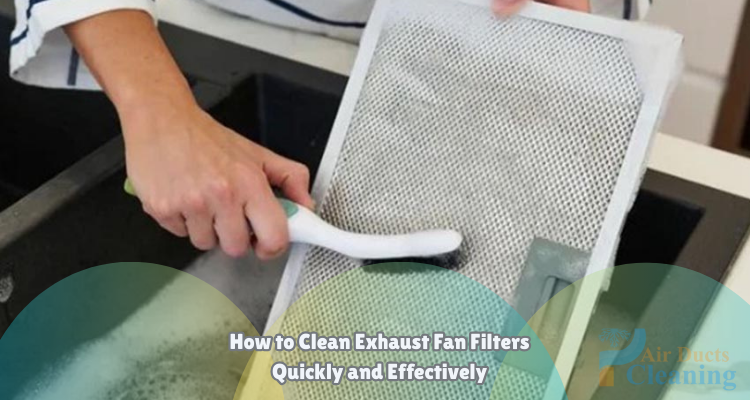
Exhaust fans work quietly in the background, pulling smoke, grease, moisture and odours out of your kitchen and bathroom. But over time, their filters trap layers of oil, dust and grime — and when they clog up, the fan becomes far less effective.
If you’ve noticed lingering cooking smells, reduced airflow, or greasy residue around your exhaust fan, it’s probably time to learn how to clean exhaust fan filters properly.
In busy homes across Sydney and Brisbane, where cooking is frequent and humidity can be high, dirty exhaust fan filters are one of the most common yet overlooked household maintenance issues. The good news? With the right approach, you can clean them quickly, safely and without damaging the mesh.
This complete guide walks you through everything — from recognising when your filters need cleaning to the best DIY methods Australians use to remove grease and restore airflow.
Why Cleaning Exhaust Fan Filters Is So Important
Most people only think about exhaust fans when they stop working properly. But dirty filters don’t just affect airflow — they can also impact air quality and safety.
When grease and dust build up:
- Airflow becomes restricted
- Smoke lingers longer in the kitchen
- Moisture isn’t removed efficiently
- Odours spread through the home
- Fire risk increases in heavily greased filters
In Sydney and Brisbane homes, where cooking styles often involve frying, grilling and stir-frying, grease accumulation happens faster than many people expect.
Regular exhaust fan filter cleaning helps:
- Improve ventilation efficiency
- Keep kitchens fresher and cleaner
- Reduce allergy triggers
- Lower fire hazards
- Extend the lifespan of your fan
Signs Your Exhaust Fan Filter Needs Cleaning
You don’t have to wait until it’s dripping with grease. These are common signs your exhaust fan filter needs attention:
- Reduced suction or weak airflow
- Grease buildup visible on the mesh
- Persistent kitchen smells after cooking
- Dust sticking to nearby surfaces
- Fan running louder than usual
- Smoke taking longer to clear
If you notice any of these, it’s time to clean your exhaust fan filters.
How Often Should You Clean Exhaust Fan Filters?
For most Sydney and Brisbane households:
- Every 1–2 months for heavy cooking
- Every 2–3 months for average use
- Every 3–4 months for light cooking
Homes with frequent frying or wok cooking should clean more often.
Regular maintenance prevents thick grease layers that are harder to remove later.
Tools You’ll Need for Easy Exhaust Fan Filter Cleaning
You don’t need special equipment. Most Australians already have everything at home:
- Warm water
- Dishwashing liquid or degreaser
- Baking soda (optional but powerful)
- Soft brush or old toothbrush
- Large sink or bucket
- Microfibre cloth or towel
Avoid harsh chemicals that can corrode metal mesh.
How to Clean Exhaust Fan Filters Quickly and Effectively (Step-by-Step)
Step 1: Turn Off Power and Remove the Filter
For safety:
- Turn off the exhaust fan
- Allow it to cool if recently used
- Gently slide or unclip the filter
Most kitchen exhaust fans have removable metal mesh filters.
Step 2: Shake Off Loose Dust and Debris
Before washing:
- Hold filter over a bin
- Lightly tap to remove loose particles
This makes washing easier and less messy.
Step 3: Soak in Hot Soapy Water
Fill your sink or bucket with:
- Hot water
- A generous amount of dishwashing liquid
- Optional: 2 tablespoons of baking soda for heavy grease
Place filters fully submerged and soak for 15–30 minutes.
This loosens grease trapped in the mesh.
Step 4: Gently Scrub Grease Away
Using a soft brush:
- Scrub along the mesh lines
- Focus on greasy areas
- Avoid bending the metal
You’ll see grease lift off easily after soaking.
Step 5: Rinse Thoroughly
Rinse under warm running water until:
- No soap remains
- Water runs clear
Check for any stubborn patches and repeat if needed.
Step 6: Dry Completely Before Reinstalling
Shake off excess water and:
- Air dry
- Or pat with a towel
Never reinstall wet filters — moisture can trap dust and promote odours.
Best Way to Clean Heavily Greased Exhaust Fan Filters
For filters that haven’t been cleaned in months (or years), try this stronger method:
Baking Soda Boost Method
- Place filter in sink
- Sprinkle baking soda generously
- Pour boiling water over it
- Let sit for 20 minutes
- Scrub gently and rinse
This breaks down thick grease naturally without damaging the mesh.
Natural Cleaning Solutions for Exhaust Fan Filters
If you prefer chemical-free cleaning:
- Baking soda + hot water
- White vinegar soak (10 minutes)
- Lemon juice for odour removal
These work well for light to moderate grease.
Common Mistakes to Avoid When Cleaning Exhaust Fan Filters
- Using steel wool or harsh scrubbers
- Using corrosive cleaners
- Bending the mesh
- Skipping regular cleaning
- Reinstalling damp filters
Gentle cleaning keeps filters working longer.
Benefits of Keeping Exhaust Fan Filters Clean
A clean exhaust fan doesn’t just look better — it performs better.
1. Improved Air Quality
Removes smoke, odours and airborne grease more efficiently.
2. Better Ventilation
Keeps kitchens cooler and fresher while cooking.
3. Reduced Fire Risk
Grease buildup is flammable — regular cleaning reduces danger.
4. Lower Maintenance Costs
Prevents motor strain and early fan failure.
Exhaust Fan Maintenance Tips for Sydney & Brisbane Homes
Due to humidity and frequent cooking:
- Wipe filter surface weekly
- Deep clean every 1–2 months
- Check fan blades occasionally for dust
- Keep surrounding areas grease-free
This simple routine keeps airflow strong year-round.
When Should You Replace Exhaust Fan Filters?
Cleaning works well, but filters should be replaced if:
- Mesh is torn
- Frame is warped
- Grease won’t come off after cleaning
- Rust appears
Most metal mesh filters last many years with proper care.
DIY Cleaning vs Professional Exhaust Fan Cleaning
DIY cleaning is perfect for regular maintenance.
Professional cleaning is helpful when:
- Filters are severely clogged
- Commercial kitchens are involved
- Fans haven’t been cleaned for years
- There’s heavy grease buildup inside ducts
Homes in Sydney and Brisbane that cook frequently may benefit from occasional deep professional cleaning.
Frequently Asked Questions About Cleaning Exhaust Fan Filters
1. How long does it take to clean exhaust fan filters?
Usually 20–40 minutes including soaking and drying.
2. Can I clean exhaust fan filters in the dishwasher?
Some metal filters are dishwasher-safe, but hand washing lasts longer.
3. What’s the easiest way to remove grease?
Hot water + dishwashing liquid + baking soda works best.
4. How often should exhaust fan filters be cleaned?
Every 1–3 months depending on cooking frequency.
5. Is it dangerous to leave filters dirty?
Yes — grease buildup increases fire risk and reduces air quality.
Conclusion
Learning how to clean exhaust fan filters quickly and effectively is one of the simplest home maintenance tasks that delivers big benefits. Cleaner air, better ventilation, fewer odours, and safer kitchens — all with minimal effort.
For homes across Sydney and Brisbane, where cooking habits and humidity accelerate grease buildup, regular exhaust fan filter cleaning isn’t just recommended — it’s essential. A quick soak, gentle scrub, and routine care will keep your exhaust fan running efficiently for years to come.