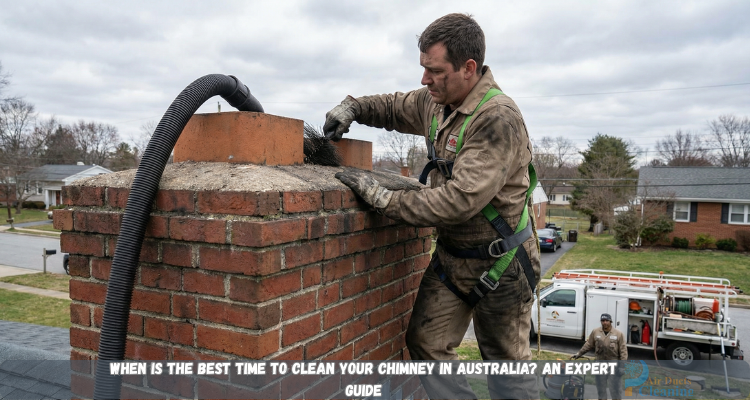
If you own a fireplace, knowing when to clean chimney systems properly is essential for safety, performance, and indoor air quality. Many homeowners across Sydney and Brisbane use their fireplaces heavily during winter but forget about chimney maintenance once the cold weather ends. Unfortunately, neglecting chimney cleaning can lead to smoke problems, poor draft, dangerous creosote buildup, and even chimney fires.
This expert guide explains the best time to clean chimney in Australia, how often you should do it, warning signs to watch for, and professional chimney maintenance tips specifically for Sydney and Brisbane homes.
Why Chimney Cleaning Timing Matters More Than You Think
Your chimney plays a critical role in safely removing smoke, gases, and harmful particles from your home. Over time, burning wood produces byproducts such as:
- Creosote (highly flammable residue)
- Soot buildup
- Ash particles
- Debris and dust
- Bird nests or animal blockages
If your chimney isn’t cleaned at the right time, these materials restrict airflow and create serious safety risks.
Major risks of delaying chimney cleaning
- Increased risk of chimney fires
Creosote buildup is extremely flammable. Even a small spark can ignite a chimney fire. - Smoke entering your home
Blocked chimneys prevent smoke from exiting properly, causing indoor smoke problems. - Poor fireplace efficiency
A dirty chimney reduces draft, making your fireplace harder to use. - Carbon monoxide risk
Blocked chimneys can allow dangerous gases to enter your living space. - Expensive chimney repairs
Neglecting chimney maintenance can cause long-term structural damage.
Proper chimney cleaning schedule prevents these issues and ensures safe operation.
Best Time to Clean Chimney in Australia
In Australia, the ideal chimney cleaning schedule depends on seasonal fireplace usage patterns.
Best time: Spring and early summer (September to February)
This is the most recommended time for chimney cleaning in Sydney and Brisbane.
Why spring and summer are ideal:
- Your fireplace has just finished winter use
- Creosote and soot are fresh and easier to remove
- Chimney professionals are more available
- You avoid peak winter service delays
- Your chimney is ready for next winter
This timing is especially important in cooler areas like Sydney, where fireplaces are used more frequently.
Second best time: Early autumn (March to May)
If you missed spring cleaning, early autumn is your last chance before winter.
Cleaning during autumn ensures:
- Safe fireplace operation
- Proper airflow and draft
- No smoke problems during first use
Avoid cleaning during winter if possible
Winter cleaning isn’t ideal because:
- Chimneys are actively in use
- Creosote buildup has already formed
- Service providers are fully booked
- Fire risk is already present
However, if you notice smoke or draft problems, clean immediately regardless of season.
Chimney Cleaning Frequency Guide for Australian Homes
The frequency depends on fireplace usage.
Recommended chimney cleaning schedule
Heavy use (daily winter use):
- Clean every 6–12 months
Moderate use (weekly use):
- Clean once per year
Occasional use:
- Clean every 1–2 years
Wood fireplaces (most common in Sydney and Brisbane):
- Annual cleaning recommended
Gas fireplaces:
- Inspection every 1–2 years
Annual chimney inspection and cleaning is the safest approach.
Signs Your Chimney Needs Cleaning Immediately
Even if it’s not the scheduled cleaning time, watch for these warning signs.
1. Smoke entering your home
This is the most obvious sign of chimney blockage or draft problems.
2. Strong burning smell
Creosote buildup produces a strong, unpleasant smell.
3. Poor fireplace draft
Smoke moves slowly or stays inside your home.
4. Visible soot buildup
Black soot around the fireplace opening indicates chimney contamination.
5. Animal nests or debris
Birds often nest inside chimneys in Brisbane and Sydney.
6. Fireplace harder to start
Restricted airflow makes fires difficult to ignite.
If you notice any of these signs, schedule chimney cleaning immediately.
Why Chimney Cleaning Is Especially Important in Sydney and Brisbane
Homes in Sydney and Brisbane face unique chimney maintenance challenges.
Sydney chimney maintenance challenges
Sydney’s cooler winters increase fireplace use. This causes:
- Faster creosote buildup
- Increased soot accumulation
- Higher risk of chimney draft issues
Older homes in Sydney often have traditional chimney systems requiring regular cleaning.
Brisbane chimney maintenance challenges
Although Brisbane has milder winters, chimney cleaning is still important.
Common issues include:
- Bird nests inside chimneys
- Dust and debris accumulation
- Moisture-related chimney damage
Even occasional fireplace use creates creosote buildup.
What Happens Inside Your Chimney During Use
Understanding chimney buildup helps explain why timing matters.
When wood burns, it produces smoke containing:
- Tar vapours
- Carbon particles
- Moisture
As smoke travels upward, it cools and deposits creosote on chimney walls. Over time, creosote layers become thicker and more dangerous.
Stages of creosote buildup include:
- Stage 1: Light soot buildup
- Stage 2: Sticky tar deposits
- Stage 3: Hardened, highly flammable creosote
- Stage 3 creosote is extremely dangerous and difficult to remove.
Regular chimney cleaning prevents this progression.
Benefits of Cleaning Your Chimney at the Right Time
Proper chimney maintenance provides multiple benefits.
1. Improved fireplace efficiency
Clean chimneys allow better airflow and combustion.
2. Increased safety
Removes flammable creosote buildup.
3. Reduced smoke problems
Improves chimney draft performance.
4. Better indoor air quality
Prevents harmful particles entering your home.
5. Longer chimney lifespan
Reduces corrosion and structural damage.
6. Lower maintenance costs
Prevents expensive chimney repairs.
Professional Chimney Cleaning vs DIY Cleaning
Many homeowners consider cleaning their chimney themselves.
Professional chimney cleaning benefits
Professional chimney cleaners provide:
- Complete creosote removal
- Chimney safety inspection
- Blockage removal
- Structural damage detection
Professionals use specialised tools that clean more effectively.
DIY chimney cleaning limitations
DIY cleaning may not remove:
- Hardened creosote
- Hidden blockages
- Structural issues
Improper cleaning can also damage your chimney. Professional cleaning is recommended for safety.
Chimney Inspection Checklist for Homeowners
Use this checklist to monitor chimney condition.
Check for:
- Smoke entering room
- Burning smell
- Poor draft
- Soot buildup
- Animal nests
- Visible debris
Schedule professional inspection annually.
Best Chimney Maintenance Tips for Sydney and Brisbane Homes
Follow these expert chimney maintenance tips.
1. Burn dry wood only
Wet wood produces more creosote.
2. Install chimney cap
Prevents birds, debris, and rain entry.
3. Schedule annual cleaning
Regular cleaning prevents buildup.
4. Inspect chimney regularly
Identify problems early.
5. Avoid restricted airflow
Ensure chimney is unobstructed.
Common Chimney Problems Caused by Poor Cleaning Schedule
Delaying chimney cleaning causes serious issues.
1. Chimney fires
Most dangerous risk caused by creosote buildup.
2. Smoke backup
Prevents safe fireplace use.
3. Carbon monoxide exposure
Dangerous gas entering home.
4. Chimney damage
Creosote causes corrosion.
Regular chimney cleaning prevents these problems.
How Professional Chimney Cleaning Works
Professional chimney cleaning involves several steps.
1. Inspection
Chimney condition assessment.
2. Creosote removal
Special tools remove buildup.
3. Blockage removal
Bird nests and debris cleared.
4. Safety check
Chimney structure inspected.
Complete cleaning improves chimney performance.
Cost of Chimney Cleaning in Sydney and Brisbane
Chimney cleaning costs vary based on:
- Chimney condition
- Buildup level
- Accessibility
- Inspection requirements
However, cleaning is much cheaper than repairing chimney fire damage. Annual cleaning is a smart investment.
Best Chimney Cleaning Schedule for Australian Homes
Recommended chimney maintenance schedule:
- Spring: Best cleaning time
- Summer: Ideal maintenance period
- Autumn: Backup cleaning time
- Winter: Emergency cleaning only
This schedule ensures maximum safety.
Conclusion
For homeowners in Sydney and Brisbane, the best time to clean chimney systems is during spring or early summer after winter use.
This ensures:
- Safe fireplace operation
- Improved airflow
- Reduced fire risk
- Better fireplace performance
Annual chimney cleaning is essential for maintaining safety and efficiency.
If your chimney hasn’t been cleaned recently or shows warning signs, schedule professional chimney cleaning as soon as possible. Proper chimney maintenance protects your home, improves fireplace performance, and ensures safe operation year-round.